UNNES–ULM Workshop Brings Contextual Chemistry Learning to High School Students in South Kalimantan
Alalak, August 14, 2025 — The Chemistry Study Program of Universitas Negeri Semarang (UNNES), in collaboration with the Chemistry Education Program of the Faculty of Teacher Training and Education at Universitas Lambung Mangkurat (ULM), and supported by the Leading University Project for International Cooperation (LUPIC), successfully organized a workshop entitled “Science for Daily Living and Small Scale Chemistry” for students of SMA Negeri Alalak, Barito Kuala Regency, South Kalimantan.
The workshop aimed to promote contextual, innovative, and applicable chemistry learning, enabling students to better understand the relevance of chemistry in their daily lives. A total of 20 students participated enthusiastically in the program.
During the workshop, participants were introduced to the Science for Daily Living approach, which emphasizes applying scientific concepts to everyday activities. This approach was implemented through hands-on activities, including the production of aromatherapy candles and ecoprinting, integrating science, technology, and local wisdom.
The ecoprint session was led by Prof. Dr. Woro Sumarni, M.Si., who highlighted the importance of connecting scientific knowledge with local culture. “Chemistry learning becomes more meaningful when students can relate it to their environment and daily experiences,” she stated.
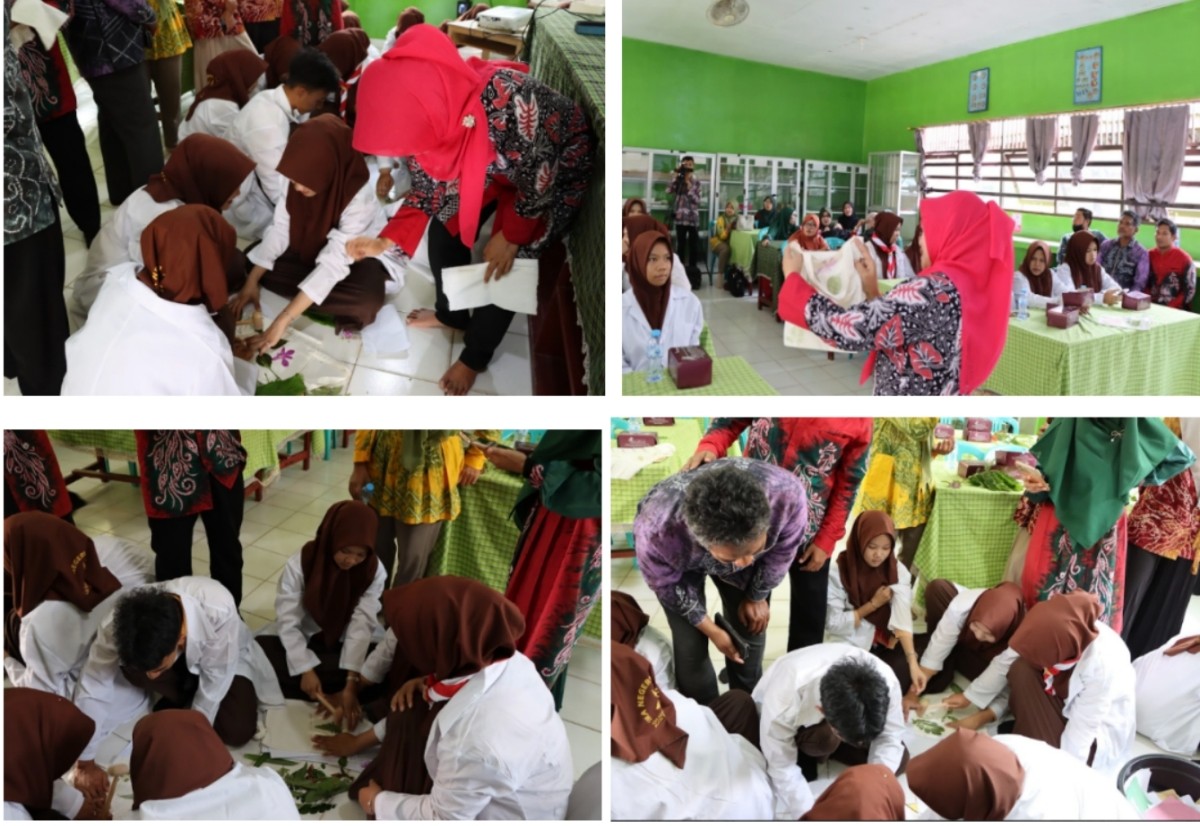
[The aromatherapy candle-making session was guided by Prof. Dr. Nanik Wijayati, M.Si., and Dra. Sri Nurhayati, M.Pd., providing students with practical experience in applying chemistry concepts creatively and with potential economic value]
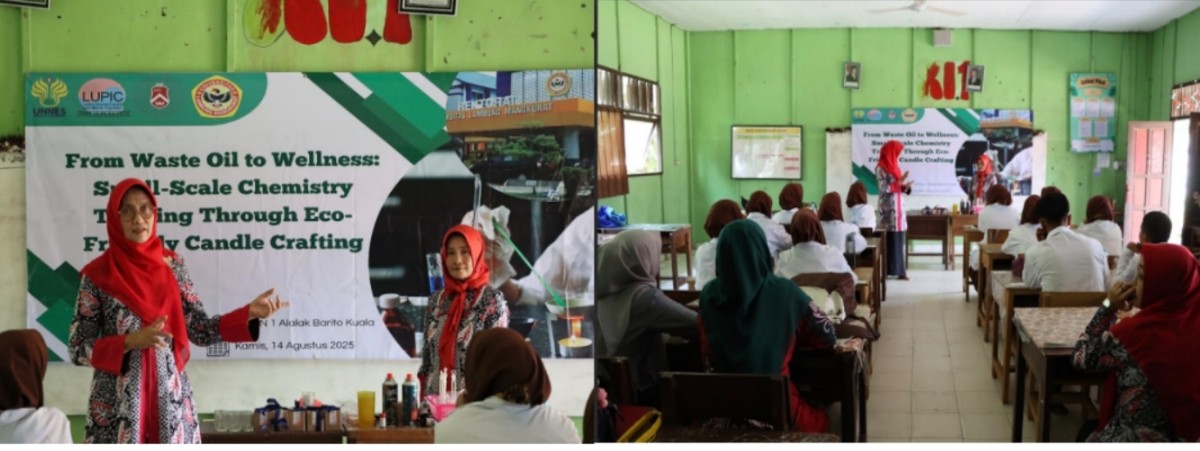
[In addition, participants were introduced to Small Scale Chemistry, a laboratory approach that uses minimal quantities of chemicals, making experiments safer, cost-effective, and environmentally friendly. This session was facilitated by Endah Fitriani, M.Sc., and Devy Lestari, M.Pd]
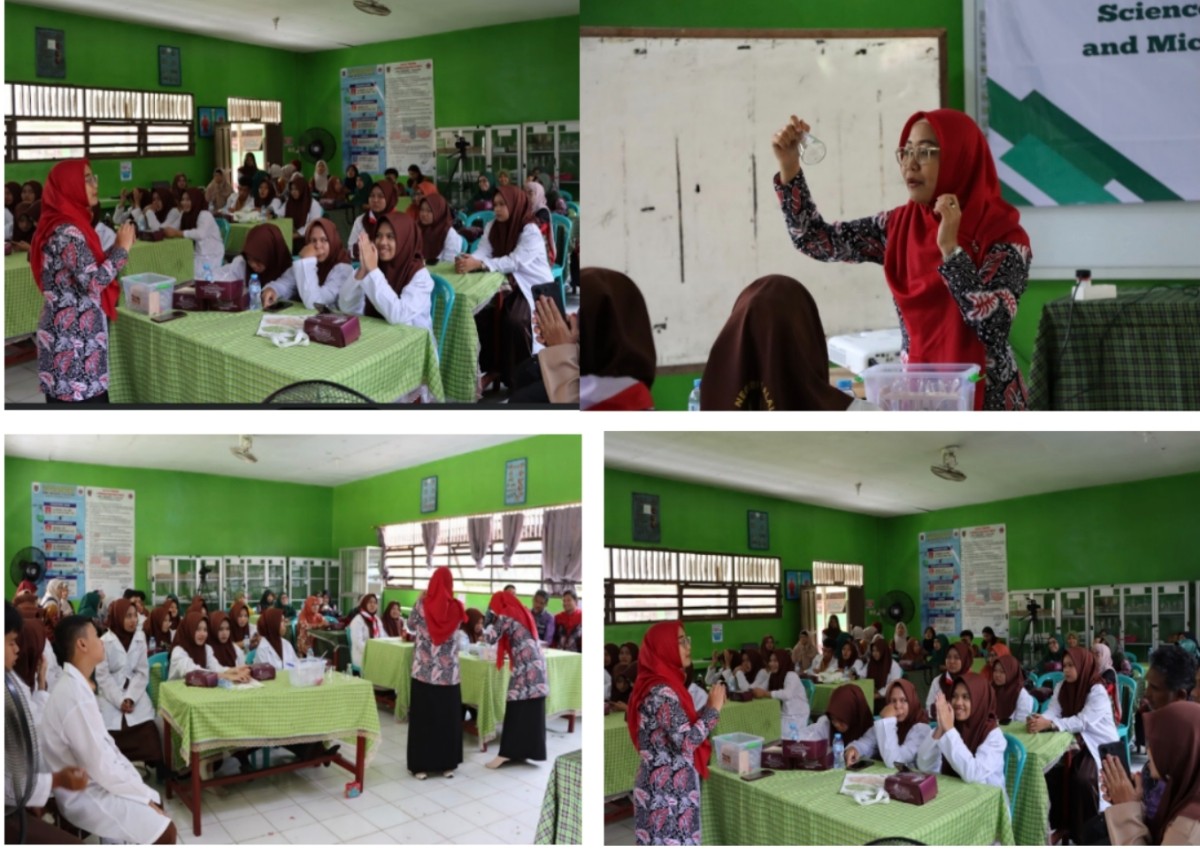
[Students demonstrated high levels of engagement throughout the workshop, actively participating in discussions and hands-on sessions. Many expressed enthusiasm in applying the knowledge and skills they had gained]
Beyond enhancing students’ understanding of chemistry concepts, the workshop also fostered awareness of sustainable scientific practices. The program contributes to the achievement of several United Nations Sustainable Development Goals (SDGs), particularly:
- SDG 4 (Quality Education) by improving access to meaningful and contextual science learning
- SDG 12 (Responsible Consumption and Production) through the implementation of environmentally friendly small-scale laboratory practices
- SDG 13 (Climate Action) by promoting sustainable approaches in science education
This initiative reflects the commitment of UNNES and ULM to advancing science education that is not only academically relevant but also socially impactful and environmentally responsible.