UNNES Strengthens Academic Collaboration And Innovation At Unima Through Fablab And Small-Scale Chemistry Program
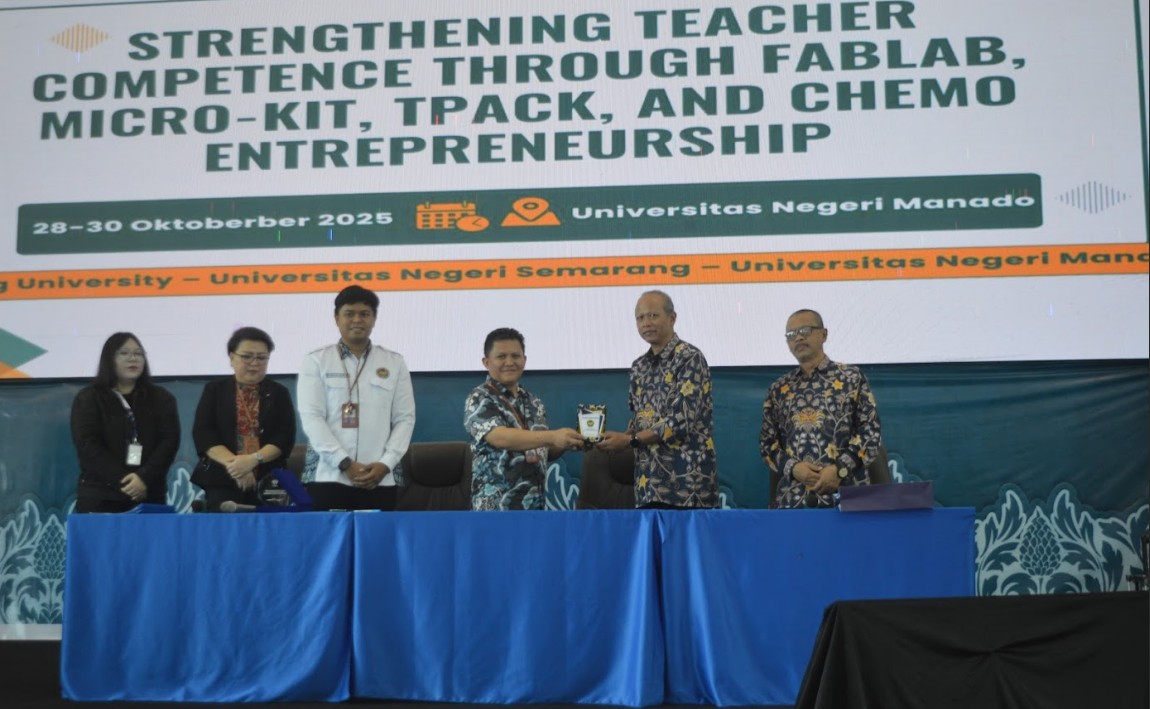
Universitas Negeri Semarang (UNNES) strengthened its institutional collaboration with Universitas Negeri Manado (UNIMA) through a five-day Community Service Program held from October 27–31, 2025. The program focused on enhancing teacher competence and promoting innovative chemistry education through FabLab integration, Small-Scale Chemistry (SSC), TPACK implementation, and chemo-entrepreneurship.
The main activities were conducted at the Faculty of Mathematics and Natural Sciences (FMIPA) UNIMA and involved lecturers, teachers, and students in a series of academic and technological innovation sessions.
Strengthening Institutional Partnership
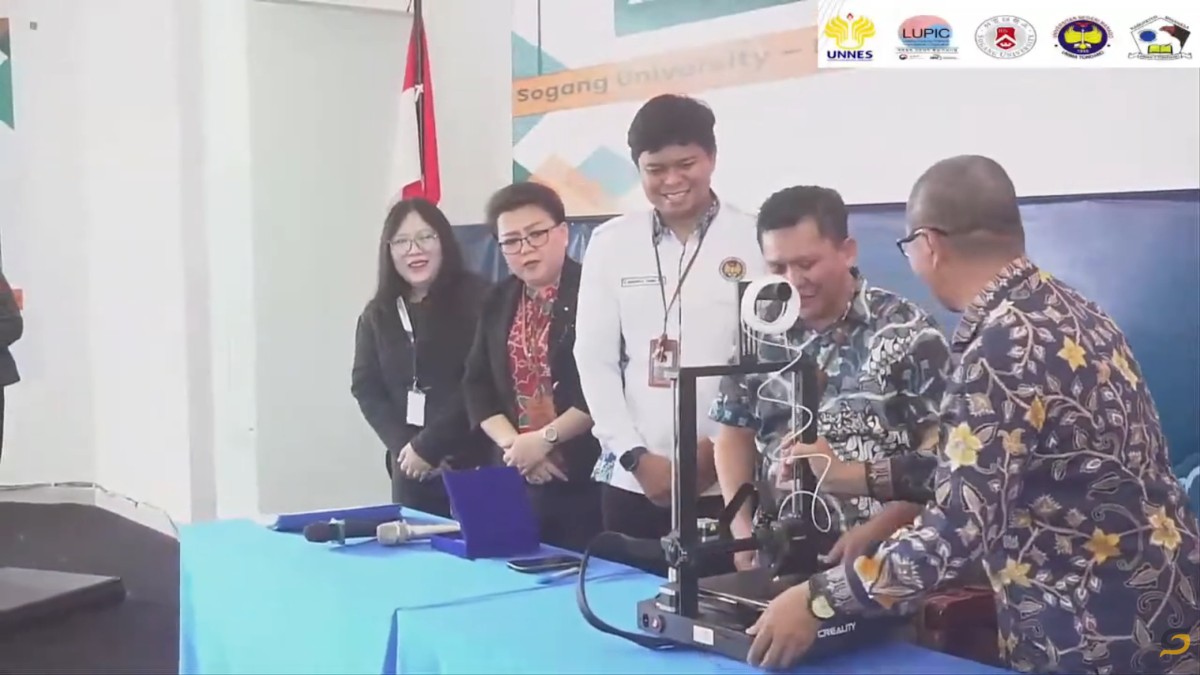
[Symbolic 3D Printer Handover and Implementation Arrangement (IA) signing ceremony between UNNES and UNIMA, marking strengthened institutional collaboration and support for digital fabrication in chemistry education.]
On October 29, 2025, a seminar and partnership program was officially held at FMIPA UNIMA. The event was opened by the Dean of FMIPA UNIMA alongside representatives from UNNES, marking a strengthened academic partnership between the two institutions.
A key highlight of the event was the symbolic 3D printer handover ceremony and the signing of an Implementation Arrangement (IA), reinforcing the shared commitment to advancing the LUPIC (Leading University Project for International Cooperation) program.
Advancing Green Chemistry and Small-Scale Laboratory Practices
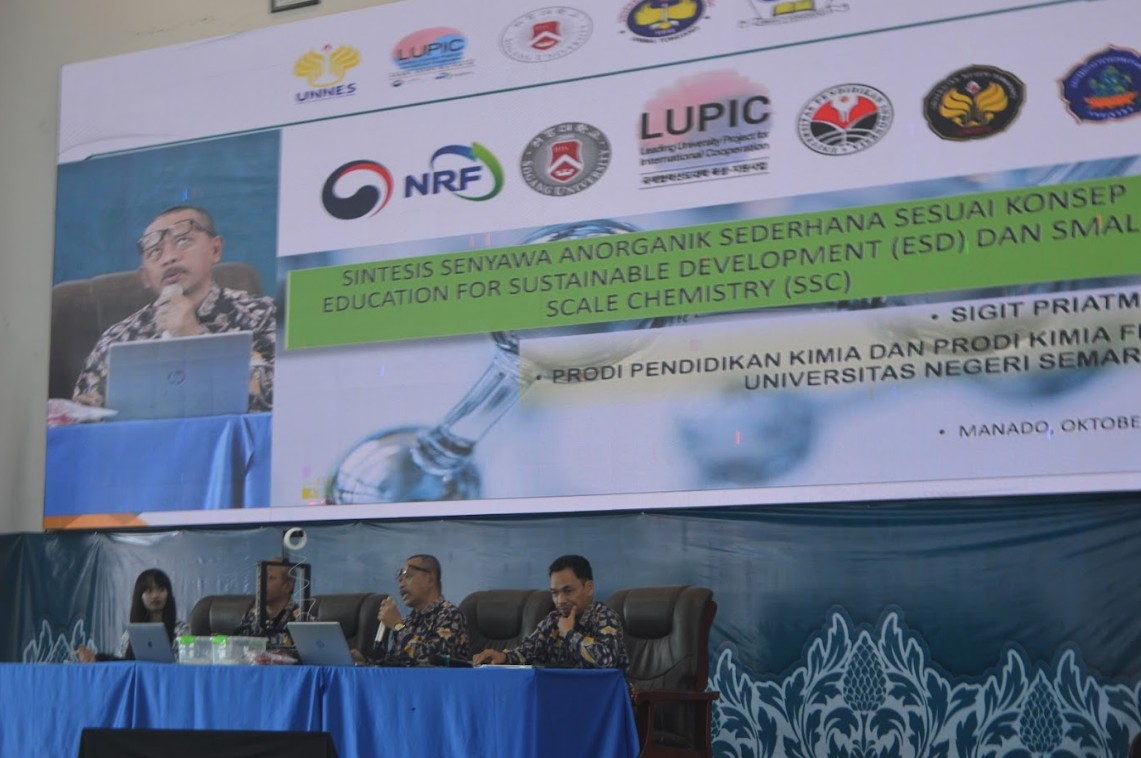
[Seminar session on Green Chemistry and Small-Scale Chemistry (SSC), highlighting sustainable, efficient, and environmentally responsible laboratory practices.]
The seminar sessions featured expert presentations from the UNNES delegation. Seminar 1 focused on Green Chemistry and Small-Scale Chemistry (SSC), emphasizing environmentally friendly laboratory practices, cost efficiency, and safety in chemistry experimentation.
Participants engaged in discussions on how micro-scale laboratory approaches can increase accessibility and sustainability in both secondary and higher education settings.
In Seminar 2, the focus shifted to the integration of SSC with FabLab technology. Demonstrations included micro-scale acid–base experiments using micro-kits and the use of Vernier tools to improve laboratory skills and data accuracy.
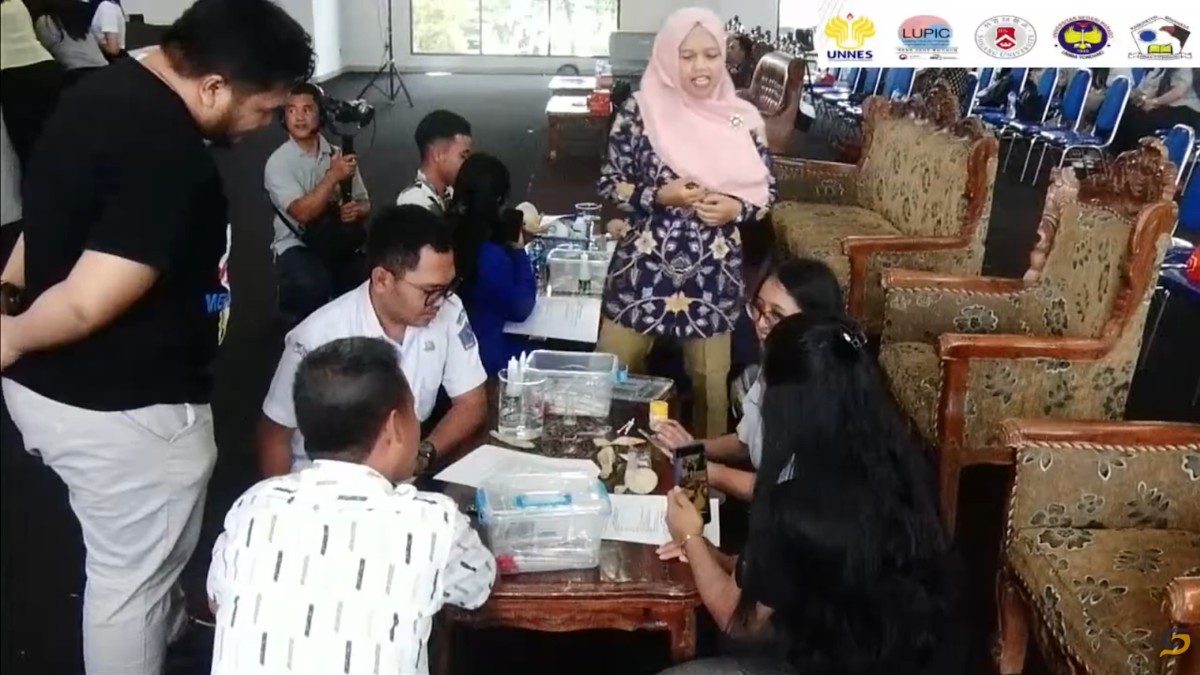
[Demonstration of micro-scale chemistry experiments and FabLab integration to support technology-driven and innovative chemistry learning.]
Capstone Design and Digital Fabrication Integration
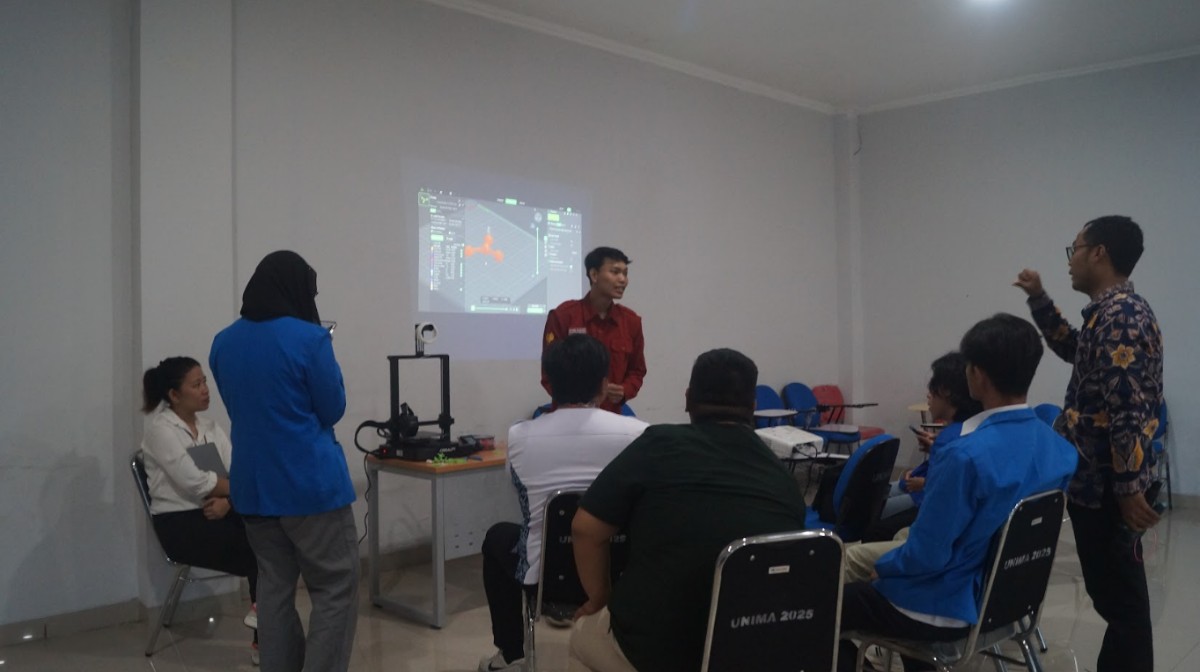
[UNIMA students participate in 3D printer setup, molecular modeling, and digital fabrication activities as part of the Capstone Design Course.]
On October 30, 2025, the collaboration continued with a Capstone Design Course attended by UNIMA students and lecturers. The session introduced project-based learning models that integrate chemistry concepts with digital fabrication technology.
Participants received hands-on training on 3D printer setup and operation, followed by molecular modeling activities using computer software. The digital designs were later transformed into tangible 3D-printed molecular structures, enabling students to visualize molecular geometry in a more concrete and engaging way.
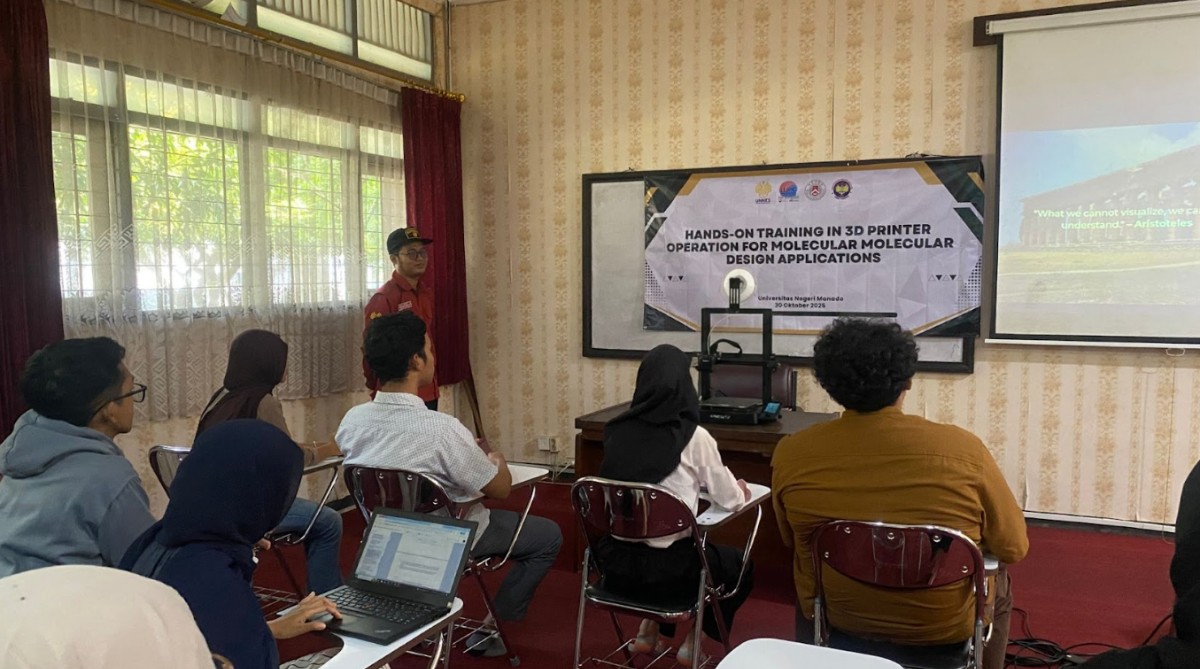
[UNIMA students participate in 3D printer setup, molecular modeling, and digital fabrication activities as part of the Capstone Design Course.]
This activity not only enhanced conceptual understanding but also demonstrated how FabLab-based innovation can transform chemistry education into a more interactive and modern learning experience.
Commitment to Sustainable Academic Collaboration
Beyond academic sessions, faculty-level coordination meetings were conducted to ensure the sustainability of the partnership. Discussions focused on long-term implementation of Small-Scale Chemistry practices, FabLab integration, and collaborative research and community service initiatives.
The program concluded successfully, reinforcing the strategic collaboration between UNNES and UNIMA. Through sustainable laboratory innovation and digital technology integration, both institutions reaffirmed their commitment to advancing inclusive and forward-looking chemistry education in Indonesia.